
YUNEV Commercial Vehicle E-Mobility Weekly Report
Volvo’s extended-range XC60 PHEV highlights how xEV architecture variants are becoming more tailored, optimized, and application-specific.

Week of May 31, 2026
Volvo’s expected next-generation XC60 PHEV points to a broader reality across xEV development: even a single architecture variant will continue to require significant tailoring, optimization, and maturation over time. The engineering and production-release costs for each of these variants are non-trivial - especially for commercial vehicles where production volumes are much lower than passenger cars.
The 2028 XC60 T8 plug-in hybrid is expected to more than double its current electric-only range, potentially moving from 35 miles to a far more competitive position against premium rivals. That type of range increase directly affects battery capacity, packaging, thermal systems, charging behavior, e-drive capability, controls, calibration, validation, cost, and customer-use assumptions.
Volvo’s overarching product strategy is noteworthy:
“While still committed to full electrification long term, Volvo is doubling down on high-performing plug-in hybrids to better match real-world customer needs, varying infrastructure levels, and disparate regulatory requirements around the world.”
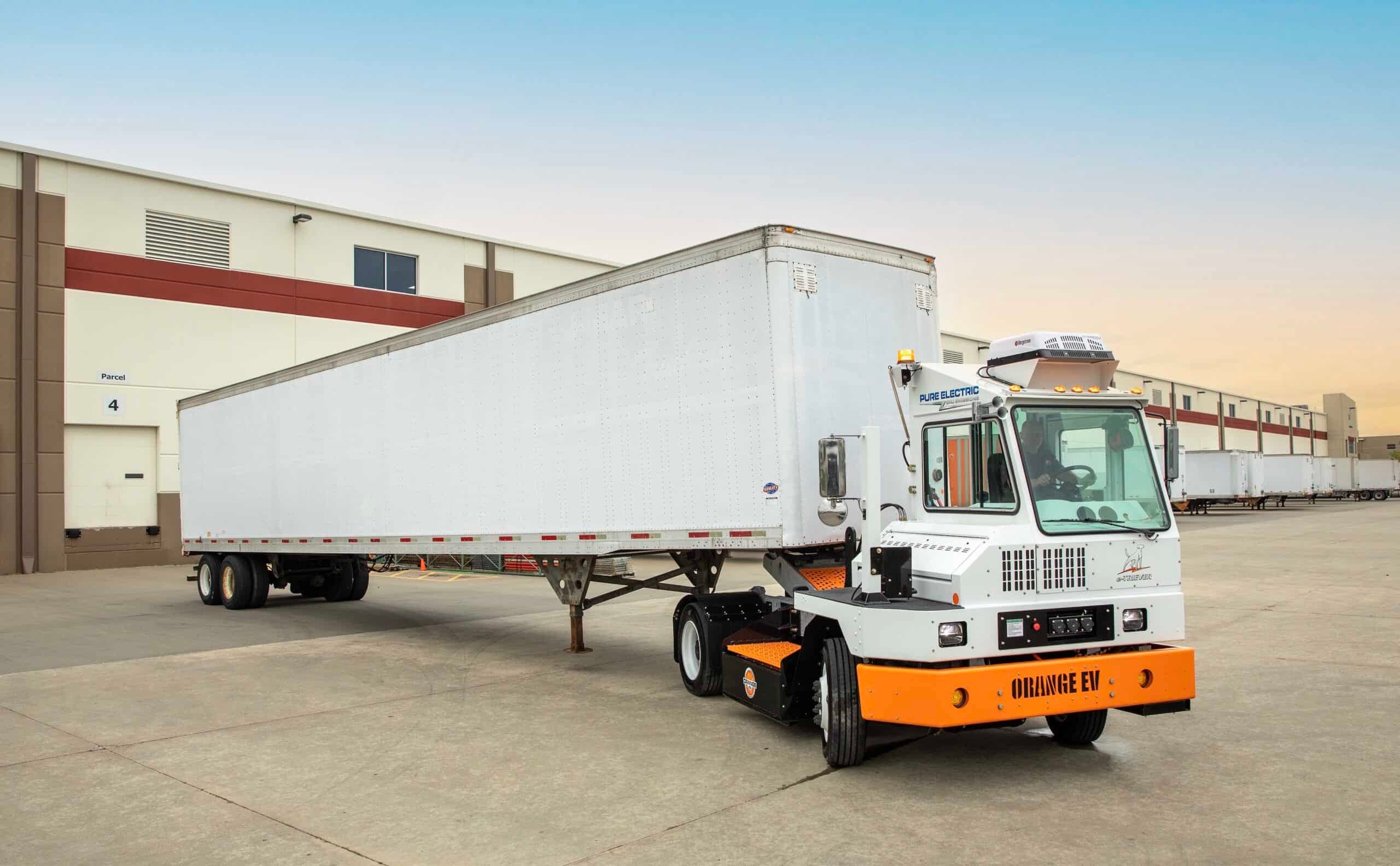
A similar pattern is visible across commercial vehicles. Orange EV shows that purpose-built, controlled-route EVs can scale in a meaningful way, with a 600-truck terminal tractor order and stated 2,400-unit annual capacity on one shift. Mercedes-Benz’s eActros Lowliner shows battery-electric trucks being adapted for trailer height and cargo-volume requirements, not just range. Scania’s French investment and CP31L emergency-vehicle cab point to localized production and specialty-duty use cases. Karsan’s larger batteries and 600 kW charging show bus platforms continuing to mature. The BYD-Sinopec partnership aimed at building out a massive flash-charging network is a reminder that ultimately, scale often drives deployment and competitive advantage. Dongfeng is adding a high-power 400 kW offering to its heavy-duty hydrogen fuel-cell truck lineup, and Sany’s long-haul HD e-truck entry into Europe adds competitive pressure with an 800V architecture, 636 kWh LFP battery, and 500 km-plus range.
Yes, electrification is advancing. At the same time, it is becoming more application-specific, region-specific, and duty-cycle-specific — with major implications for battery systems, e-drivetrains, charging infrastructure, and platform strategy.
Global Headline Roundup
Orange EV secures record order for 600 terminal trucks (Source)
Volvo doubles XC60 PHEV electric-only driving range (Source)
Daimler Truck introduces eActros Lowliner (Source)
Scania unveils new CP31L and plans to build e-trucks in France (Source)
Karsan unveils 18m hydrogen bus and battery updates (Source)
BYD taps Sinopec’s massive network to scale flash EV charging (Source)
Dongfeng unveils HD hydrogen truck with 400 kW fuel cell (Source)
Sany delivers long-haul HD electric trucks in Europe (Source)
Stellantis takes Pro One global with North America launch (Source)
Hyster launches XTLG lithium-ion forklift series in the Americas (Source)
Deployment Updates and Other News
Wrightbus secures new order for 193 Electroliners (Source)
First Bus deploys first repowered electric buses in Bath (Source)
Kempower delivers Australia’s first pantograph-down e-bus chargers (Source)
Amphos delivers Scotland’s first megawatt charging hub (Source)
Olectra deploys 60 electric buses in Hyderabad (Source)
Zenobē and Vectalia agree €120m e-bus deal (Source)
CATL sees ESS capturing half of global battery sales by 2030 (Source)

If you found this report useful, feel free to pass it along.
Did someone share this with you? Sign up below.
Your comments and feedback are always welcome at kevin@yunev.co.
Visit: www.yunev.co